
Skills that stay after we leave.
A builder's greatest asset is its people. We invest in them through workshops run with your own jobs and online courses built for homebuilding.
Program schedule
Nobody sits and listens. Teams map a real process, take a real bid apart, and argue the supplier's side of a deal. Every program ends with a written plan, with owners and dates. Open any program to see what it fixes.
Learning to SeeLean foundationsHalf dayFind the waste in your own operation and put a number on it.→
Lean construction principles for homebuilders
Most of what happens on a job site does not add value to the home. Crews wait. Material gets moved twice. Work gets done again because it was wrong the first time. This half day teaches your people to see that waste, put a number on it, and start taking it out.
Who should be in the roomConstruction managers · Purchasing · Estimating · Design · Sales · Operations leaders · Superintendents · Executives
Walk a Mile in Their ShoesLean foundationsFull dayThe office takes the field's job for a day, then they fix what they found together.→
Breaking down silos through role-play
The office and the field often do not understand each other's pressure. So this is not a lecture. People take a role that is not their own, work a real project scenario with the disruptions that really happen, and feel what the other side deals with. Then they fix it together.
Who should be in the roomPre-construction · Purchasing · Design and engineering · Sales and customer service · Construction managers · Warranty and QA · Finance · Operations leadership
Quality at the SourceLean foundations1.5 daysCatch defects where they happen instead of at the walkthrough.→
Build quality in instead of inspecting it in
The walkthrough is the most expensive place to find a defect. This workshop moves the catch upstream, to the person doing the work at the moment they do it. Teams leave with mistake-proofing they designed themselves and a plan to put trade partners in charge of checking their own work.
Who should be in the roomConstruction managers · QA/QC · Warranty and service · Operations leadership · Pre-construction and design · Sales leadership · Executives · Trade partners strongly encouraged
Supply Chain SeminarSupply chainHalf dayWhere the money is once you stop sending everything out to bid.→
Cost savings by changing how you buy
Sending everything out to three bids looks like it protects price. Often it does the opposite. It hides the cost of churn, quality problems and relationships where nobody helps anybody. This half day shows where the money actually is and how to go after it.
Who should be in the roomPurchasing leadership · Operations executives · Chief financial officers · Construction operations · Strategic planning · Division presidents · CEOs · Supplier relations
Driving LessonsSupply chain3–4 daysThe full course in supply chain management, from forecast to delivery.→
Managing the flow from raw material to finished home
Material that arrives late stops a crew. Material that arrives early gets damaged, moved twice and paid for too soon. This is the full course in supply chain management for homebuilders, taught against the way traffic flows — it takes planning, coordination and being able to see far enough ahead.
Who should be in the roomPurchasing and procurement · Supply chain managers · Operations leaders · Construction managers · Pre-construction · Estimators · Division presidents · VPs of operations
Walk a Mile NegotiationsNegotiation and costFull dayFour rounds of role-play, including one arguing the supplier's side.→
Negotiating so both sides want the next job
A win taken out of a supplier tends to come back — as a change order, a slow response, or the good crew sent somewhere else. This day builds the other habit through four rounds of role-play, including one where your people have to argue the supplier's case.
Who should be in the roomPurchasing and procurement · Construction managers · Division presidents · Operations leaders · Estimators · Project managers
Category Deep DiveNegotiation and costFull dayTake four of your own bids apart and work out what they should cost.→
Knowing what it should cost, before you negotiate
A lump sum bid gives you one number and hides everything behind it. Over one day your team takes four of your own categories apart, using your real bid documents, and builds an independent estimate of what each one should cost.
Who should be in the roomPurchasing and procurement · Division presidents · Construction managers · Estimators · Operations leaders · Finance leadership
Unbundling WorkshopNegotiation and costFull dayMove trades to unit pricing without damaging the relationship.→
Moving to unit pricing without losing the trade
Asking a trade contractor to break a lump sum into unit prices goes badly when it arrives as a demand. Framed around building homes people can afford, and with a real answer ready for every objection, it can make the relationship stronger. This day gets your people ready for that conversation.
Who should be in the roomPurchasing and procurement · Construction managers · Division presidents · Operations leaders · Pre-construction · Estimators
DISC Team DevelopmentTeam developmentAsk usA shared language for how people communicate, decide and handle pressure.→
DISC gives teams a practical language for understanding how people communicate, make decisions, respond to pressure, and approach their work. More about DISC below.
Who should be in the roomLeadership teams, newly combined teams and new project teams
Want the full agenda for each program?
It is in the course guide, module by module. Ask and we will send it.
Turn communication differences into a team advantage.
DISC gives teams a practical language for understanding how people communicate, make decisions, respond to pressure, and approach their work. Strategem helps people recognize these behavioral styles, adapt their approach, reduce friction, and work together with greater clarity and trust.
Everyone is a blend of all four styles. The goal is not to label people, but to understand preferences and become more effective with others.
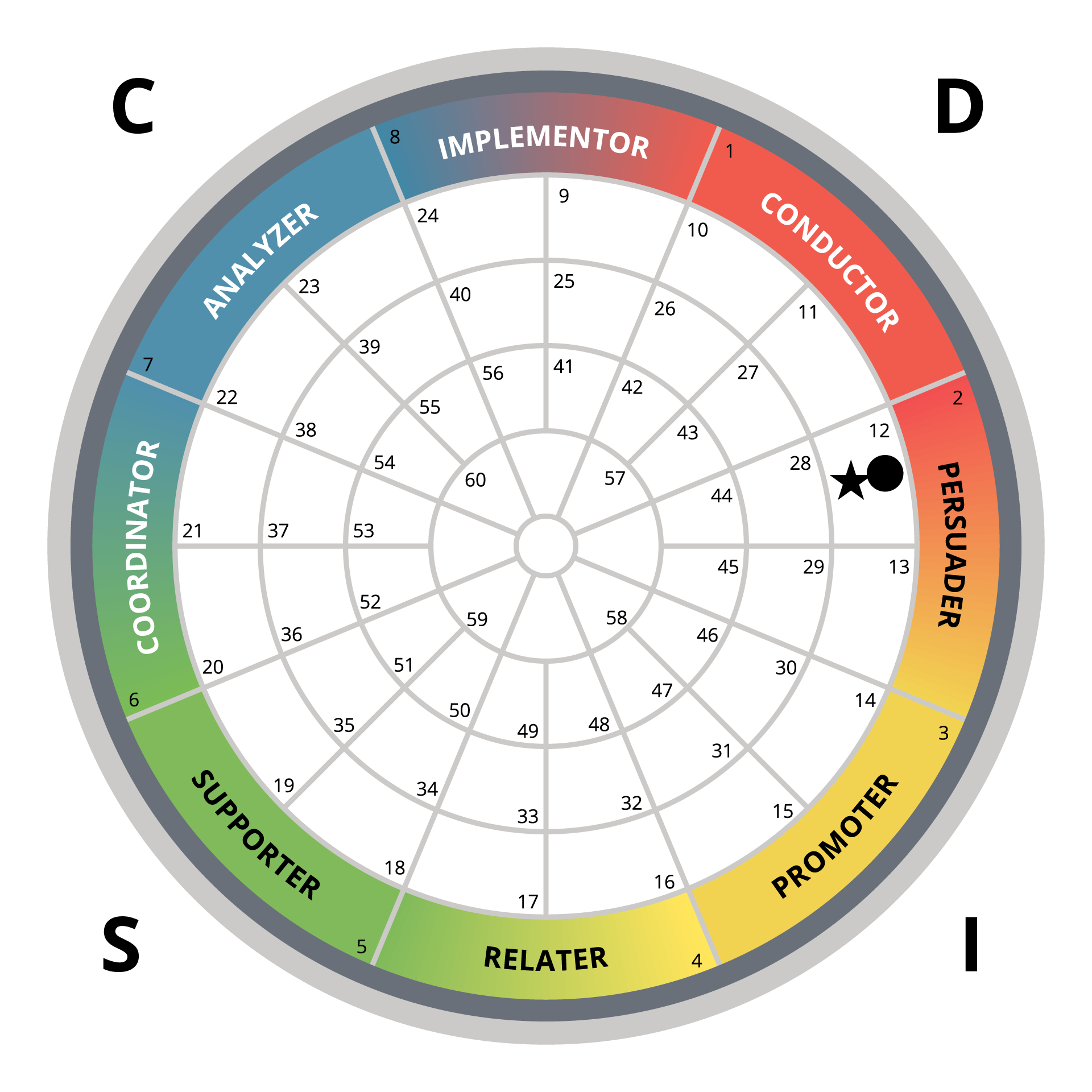
D Dominance
Direct, decisive, and results-focused.
I Influence
Engaging, persuasive, and people-focused.
S Steadiness
Patient, dependable, and supportive.
C Conscientiousness
Analytical, precise, and quality-focused.
Understand how people work—and what drives them.
DISC makes behavioral and communication patterns visible. The 12 Driving Forces framework adds another dimension by exploring the motivations behind those patterns.
Together, these perspectives help Strategem turn individual profiles into practical team agreements, leadership development priorities, and action plans.
Strategem founders Ken Pinto and Drew Stevens have used DISC-based methods to build and align teams during mergers and acquisitions, establish new project teams, and support leadership succession. Their approach turns behavioral insight into practical decisions about communication, collaboration, team composition, and leadership development.
Mergers & Acquisitions
Help newly combined teams understand different working and communication styles, establish a shared language, and integrate more effectively.
New Project Teams
Clarify how team members communicate, make decisions, handle pressure, and contribute—creating stronger working relationships from the beginning.
Leadership & Succession Planning
Understand the behavioral strengths represented across the leadership team, identify important gaps, and prepare future leaders to adapt as responsibilities grow.
Beyond the room
Courses your people can take on their own schedule. We set these up for a company and its people.
Lean Construction Principles
An introductory online course in lean construction.
Talk to usTraining results
Every number here comes from the sign-in sheets and the evaluation forms people filled in at the end of each session. They are totals across every builder; no single builder's scores are shown.
The instructor presented the material well
The course met my expectations
The length of the course was
What they valued most
What they asked for more of
Top marks on both questions
By year
| Year | Events | People trained | Average score |
|---|
Where we have trained
A new comment every 10 seconds. Point at the cards to pause them.
Tell us which teams need it.
A short call is usually enough to work out which program fits, or whether a look at the business should come first.
Start the conversation
Thank you! We'll be in touch shortly.
Your message is with Drew and Ken.